

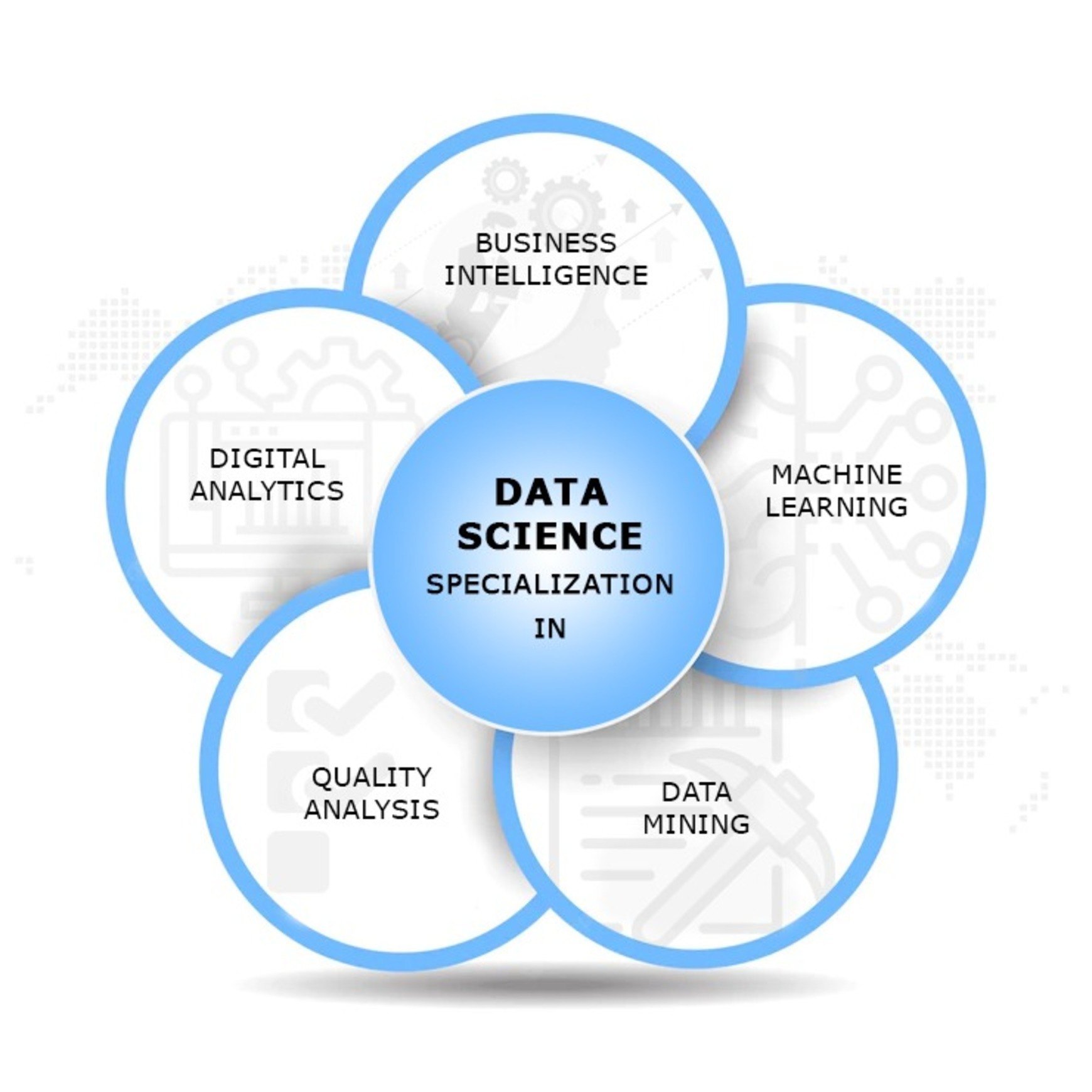
Data Science Courses in South Africa: How to Choose the Right Fit in 2026
Hiring teams in South Africa still want people who can turn messy numbers into clear decisions. In March 2026, that usually means data science skills that mix data handling, stats, coding, and business thinking. But “data science” can mean a lot, depending on the course.
What you will learn in most data science courses (and what is often missing)
Most data science courses in South Africa start with the same promise, get you job-ready. The good ones teach practical skills and also explain the “why” behind them. Still, many courses skip the hard parts, like real datasets and feedback on your work.
Before you pay, treat the syllabus like a contract. If it’s vague, your results may be vague too
The core skills employers look for: Python, SQL, statistics, and projects
Python helps you clean data and build models, often with pandas, scikit-learn, and Jupyter notebooks. SQL matters because many companies store data in databases, not spreadsheets. Statistics keeps you honest, so you don’t confuse noise with signal. Projects pull everything together, so you can show proof, not promises. A simple portfolio helps a lot, even if it’s just two to three strong projects with GitHub links or shared notebooks. Basic dashboards (for example, in Excel, Power BI, or similar tools) also help you explain results.
Common gaps to watch for: weak math support, no real datasets, and no career help
Watch for these gaps, then ask direct questions:
- Weak math support: “Do you teach the stats from scratch, with practice problems?”
- Toy datasets only: “Do we use messy real-world datasets, with missing values?”
- Too few assessments: “How many graded projects do I complete?”
- No career support: “Is there interview prep, CV feedback, or recruiter access?”
Your course options in South Africa, from university programs to short Data Science Courses
The best format depends on how fast you need results, and how much structure you want. Some learners need a timetable and exams. Others need flexibility around work and family.
University and private college programs: best for depth and recognized credentials
This route suits school leavers and career switchers who prefer structure. Degrees often take 1 to 3 years, while diplomas or certificates can take 6 to 18 months. You’ll usually get stronger theory and more time to practice.
On the other hand, entry requirements can be stricter, and costs can be higher. Also, make sure you’ll still build a portfolio, not only pass tests.
Online certificates and local data science courses : best for speed, flexibility, and portfolios
Bootcamps often move fast, with full-time or part-time tracks. Many focus on projects, feedback, and job prep. Self-paced online certificates can cost less and fit odd hours, but you must stay disciplined.

