

Data Engineering Bootcamp: What You’ll Learn
data engineering bootcamp is a short, structured program that teaches you how to move, store, and serve data the way companies do it at work. The promise is simple: job-ready skills fast, with projects and feedback instead of random tutorials.
The risk is also real: paying for a program that looks good on a landing page but doesn’t build employable skills. This guide breaks down what a good bootcamp should teach, how to pick one that fits your time and budget, and what to do after graduation so you can actually land interviews.
What you will learn in a good data engineering bootcamp
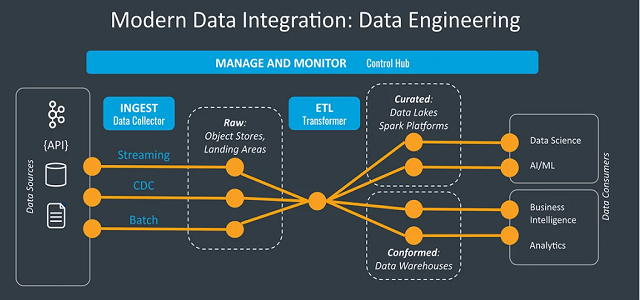
A solid Data Engineering bootcamp trains you for job-style work, not trivia. You’ll practice moving data from a source (like an app database or API) into a warehouse, cleaning it, and turning it into tables a BI tool can read. Think of it like plumbing for analytics: the goal is clean, reliable flow.Tools will change over time, but the ideas stick. You’re learning how data moves, where it breaks, how to fix it, and how to prove it’s correct.
The core skills employers want (SQL, pipelines, cloud, and data modeling)
SQL is the daily driver, you’ll query, join, and debug messy data. Python basics help with scripts, APIs, and light transforms. You’ll build ETL and ELT flows, then schedule them with orchestration tools (Airflow or a similar scheduler). Most programs also teach a cloud warehouse such as Snowflake, BigQuery, or Redshift. Finally, you’ll learn data modeling, often a simple star schema, so reports stay fast and consistent.
Projects that actually prove you can do the work
Look for at least one end-to-end batch pipeline, for example ingesting sales data nightly, loading it to a warehouse, and building a small report table. A second project can be simple streaming or near real-time, like processing app events every minute.
Strong projects include a public repo, a clear README, a few tests, basic data quality checks (nulls, duplicates, freshness), and a short write-up explaining tradeoffs.
How to choose the right bootcamp for your goals and budget
Start with your constraints. A part-time bootcamp can still take 15 to 25 hours a week if you want real progress, and “tuition” isn’t the full cost if you also need cloud credits, a laptop upgrade, or time off work. Be honest about your timeline and stress level.
Also be honest about learning style. If you’re disciplined and can ship projects alone, self-study might be a better deal. If you need structure, deadlines, and feedback, a bootcamp can be worth it.
Questions to ask before you pay (curriculum, instructors, support, outcomes)
Ask if projects are reviewed by humans, and how often you get code feedback. Ask who teaches, and whether instructors have recent data engineering work. Ask what career help includes, mock interviews, resume reviews, referrals, and office hours. Ask if outcomes are audited, and if they’re for data engineering roles, not “any tech job.” Ask the weekly schedule and the minimum required hours.
How to get hired after a data engineering bootcamp
Hiring managers want proof. Treat your bootcamp projects like your first job: clean repos, clear docs, and repeatable runs. Search titles like Data Engineer, Analytics Engineer, ETL Developer, and Data Platform Engineer. Expect SQL screens, light Python, data modeling questions, and practical pipeline talk.
A simple 30 day plan to turn bootcamp work into a portfolio
- Week 1: Polish one project and tighten the README.
- Week 2: Add tests, data checks, and notes on monitoring.
- Week 3: Write a short case study, problem, approach, tradeoffs, results.
- Week 4: Rewrite resume bullets to show impact, then practice a 2-minute walkthrough


